Watercolour painting has a timeless charm. Its soft washes, luminous layers, and flowing textures make it a favourite medium for artists. At first glance, it looks delicate, but watercolour has its own set of rules. Once you learn to work with its transparency and flow, the results can be both expressive and calming.
If you’re used to acrylic or gouache, watercolour feels backwards. You paint light → dark, and you can’t add highlights on top of darker layers.
Materials & Setup
Paints
- Student-grade pans or tubes (start with a Winsor & Newton Cotman Pocket Set)
- Professional paints if budget allows (brighter pigments, less muddy)
Brushes
- Round brush (size 6–8) – versatile
- Flat brush – smooth washes
- Fine detail brush – for lines
- Optional: Polina Bright artist brushes (£££)
Paper
- Watercolour paper 300gsm+
- Cold-pressed (NOT) – textured, absorbent, beginner-friendly
- Hot-pressed – smoother, less absorbent, good for detail
- Examples: Arches Aquarelle, Winsor & Newton Professional, Daler-Rowney Aquafine
Core Skills
- Water Control: Practice swatches from watery washes to saturated tones
- Techniques:
- Wet on Wet – soft blends
- Wet on Dry – sharp edges
- Dry Brush – textured effects
- Lifting – lightening pigment
- Layering & Transparency: Build gradually from light → dark, let layers dry fully
- Embracing Imperfection: Let water and pigment flow naturally—happy accidents are part of the process
Barriers
- Less forgiving than acrylic/gouache (mistakes can’t always be fixed)
- Drying time between layers can feel slow
- Harder to control flow—requires patience and practice
Ideal Learner
- Someone patient who enjoys slow, layered work
- Beginners who want a calming, expressive medium
- Artists curious about translucency and “painting with light”
Time Commitment
- Short sessions: 30–60 mins (practice swatches, small studies)
- Longer sessions: 2–3 hours (layered pieces, landscapes)
- Progress: noticeable after 10–15 sessions of focused practice
Community & Trends
- Popular among sketchbook and urban sketching communities
- Growing presence on YouTube and Instagram for “relaxing art”
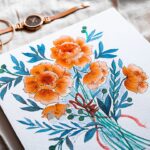
- Often used in journaling, greeting cards, and modern botanical illustration
Where to Learn
Free
- Chris Petri – Beginners Playlist (YouTube)
- The Mind of Watercolor – Basics (YouTube)
- Liron Yanconsky – Still Life
- Kristy Rice – playful, modern tutorials
Paid
- Skillshare – Watercolour 101 (£123/year, includes other classes)
Recommended Supplies
Paints
Paper
- Winsor & Newton Professional Block
- Arches Aquarelle Cold Pressed Pad
- Daler-Rowney Aquafine Sketchbook
Brushes
Final Thoughts
Watercolour is about patience, play, and embracing the unpredictable. Once you’ve mastered the basics—water control, layering, and letting pigment flow—you’ll find yourself returning to it as a calming, expressive outlet.